Commercial Waste Acton
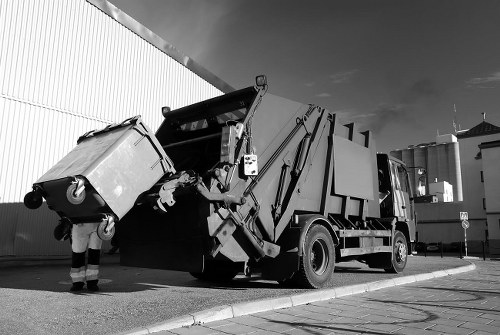
Commercial waste removal in Acton should be straightforward, tidy and suited to the way your premises actually operate. We help businesses arrange the collection and disposal of everyday trade waste, bulky items and recyclable materials through a service that is designed around regular building access, loading constraints and the need to keep disruption low. Whether you are clearing a back room, emptying an office store or dealing with mixed waste from a refurbishment, the aim is simple: remove the right materials, route them correctly and leave the space ready for what comes next.
Our commercial waste service covers a practical range of non-domestic collections, including office clearance, furniture disposal, appliance removal and general waste removal. We also handle larger or more awkward loads where items cannot be dealt with through ordinary bins alone. If you need a clear quotation for a planned collection, we can discuss the type of waste, access to the site and the timing that suits your schedule. For many businesses, having one organised collection is easier than trying to split the job across several days.
For a straightforward enquiry, tell us what needs clearing, where it is located and how much access space is available. That helps shape the collection method and avoids unnecessary delays on the day. If the waste includes different materials, it is usually useful to separate them in advance where you can, but we can also work with mixed loads when sorting is needed at collection. Make a note of any bulky items, fixed furniture or restricted access points so the booking can be set up sensibly from the start.
Office and workplace collections
Office waste removal is often about more than simply lifting items away. Desks, chairs, filing cabinets, packaging, IT equipment and general clutter may all need to be handled differently, especially where the premises remain in use during the day. We can support workplace clearances that need a careful approach to corridors, lifts, shared entrances and loading bays, with the collection planned around the items that have to go and the parts of the building that must stay usable.
When a workplace is being reorganised, it can help to decide which items are being retained, which are ready for disposal and whether any documents or confidential material need separate treatment. If you have archived paperwork, our confidential shredding page explains a related service for sensitive material. Office waste can also include fixtures or surplus furniture that are no longer suitable for reuse, and these are best identified early so the collection vehicle and labour can be matched to the job.
Our approach to commercial clearances is practical rather than prescriptive. We can remove loose office items, dismantled furniture and mixed refuse from many types of business premises, but we do not assume that every site works in the same way. A small practice, a shared workspace and a larger office floor all create different loading patterns, so it is sensible to describe the layout and the volume of waste before booking. That keeps the collection precise and avoids paying for more than the job needs.
Bulky items and commercial furniture disposal

Businesses often need help with items that are too large for normal disposal routes. Office chairs, tables, reception furniture, shelving and storage units can accumulate quickly during a move, a fit-out or a seasonal clear-out. Our furniture clearance and disposal work is intended for these situations, with handling that takes account of lifting, dismantling where needed and the safest way to take the items out of the property.
If your premises contain a mix of reusable and worn-out furniture, it can be useful to note the categories before the visit. That allows the collection to be organised around bulk items, fragile pieces and items that are simply ready for disposal. For additional reading on related household items, the furniture clearance page gives a broader sense of how larger items are managed, while furniture disposal focuses more specifically on end-of-life removal. Commercial work often combines both ideas in one visit.
Some workplaces also need disposal of items that are tied to a room’s layout, such as fitted shelving, waiting-area seating or large display units. These items can add time to the job because they may need to be moved around stairwells, split into parts or taken from upper floors. The main point is to plan for the object itself, not only the floor space it occupies. If the items are heavy or awkward, it is sensible to set that out early so the right collection can be arranged. Clear access notes help prevent surprises on the day.
Waste from shop, storage and trade premises
Commercial premises do not all produce the same kind of waste. Shops may need packaging and display material removed, storage rooms may fill with obsolete stock or broken fixtures, and trade premises can generate mixed rubbish from routine operations. We work with waste that has built up over time as well as material that needs to go after a specific event such as a relocation, refit or de-cluttering of back-of-house areas.
For some properties, the most useful service is a single general collection that can take mixed items together, provided the load is suitable. In other cases, it makes more sense to split waste into furniture, electrical items, cardboard, light building debris and other categories so the clearance is quicker to manage. If your premises include a garage, lock-up or stock room that has become overloaded, the garage clearance page shows the kind of bulk-removal work that may be relevant to those spaces.
Where goods have been stored for some time, the main decision is usually whether the items are still usable, recyclable or purely for disposal. Mixed business waste can become difficult to sort at the last minute, so it helps to set aside any documents, personal belongings or stock that must remain on site. This keeps the collection focused on waste only and reduces the chance of useful items being taken by mistake. Good separation makes the collection smoother for everyone involved.
Refurbishment, builders and light construction waste

Many commercial collections involve waste from small works rather than everyday rubbish. Floor coverings, broken fittings, packaging from new installations and stripped-out materials can all need removing once a project reaches the clearing stage. Our service can support businesses, landlords and managing agents who need waste taken away after a fit-out, repair or internal refresh, without waiting for the pile-up to disrupt other work.
For heavier or rougher material, it is important to be clear about the type of waste before booking. Some loads are best treated as builders’ waste, while others are mainly general commercial waste with a few bulky items mixed in. The builders waste clearance page is the most relevant place to look if your collection includes debris from a strip-out or light refurbishment. If the waste is more varied, we can discuss how to handle the mixture in one organised visit.
Refurbishment waste often includes awkward pieces with sharp edges, dust-covered material or items that have been partially dismantled already. Those features affect how the job is loaded and how long it may take to complete. The key is to describe the waste honestly rather than to assume it will fit a standard collection pattern. Accurate detail at the outset makes it easier to match the vehicle and labour to the actual load.
Special items, appliances and controlled disposal
Some commercial waste requires a little more care than ordinary rubbish because the items are heavier, contain components that need specialist handling or are governed by specific disposal rules. Fridges, freezers and similar appliances may need their own route, and damaged mattresses or sofas can also have a separate disposal method depending on the situation. We can help businesses identify these items and plan them into a wider clearance or a standalone collection.
If your premises include unwanted electrical or kitchen equipment, it is worth checking whether the items are freestanding, built-in or stacked in a confined area. That affects how they can be removed safely. The fridge and appliance removal page is a useful related page for businesses dealing with larger powered items, while mattress and sofa disposal covers bulky soft furnishings that sometimes appear in hospitality, accommodation and storage settings.
Not every collection is suitable for every waste type, so we treat special items separately where needed. Hazardous or uncertain materials should never be guessed at, and they may need another route entirely. For example, if you believe waste includes substances or items that need controlled handling, that should be identified before booking rather than left until the day. It is better to name the item clearly than to describe it vaguely as “miscellaneousâ€.
Planning a commercial collection
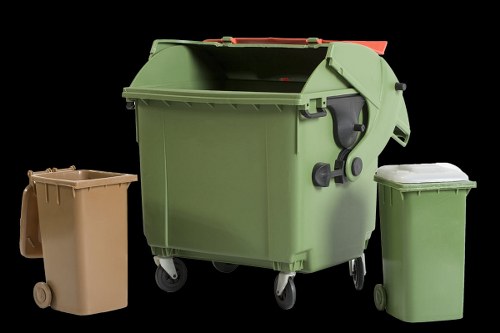
A smooth collection usually depends on a few practical details rather than on complicated preparation. The most useful information is what the waste is, where it is stored, how it will be reached and whether any items need dismantling or moving through narrow routes. If you are arranging a collection for a workplace, one useful step is to appoint a single point of contact so access, timing and item locations are all confirmed with one conversation.
Before a collection, it also helps to think about parking or loading access, the presence of stairs, lift restrictions and whether the site is shared with other tenants or customers. You do not need to prepare the room perfectly, but you do need to make sure the waste itself is accessible enough for removal. If you would like to compare options or ask for a quotation, keep the explanation simple and accurate: the type of waste, approximate amount and any restrictions on site.
- List the main item types, such as office furniture, packaging, appliances or mixed rubbish.
- Note any access issues, including upper floors, shared entrances or limited parking.
- Separate anything that must remain on site from the waste to be removed.
What affects the quotation
Commercial waste pricing is usually shaped by the volume of material, the kinds of items involved and the effort needed to load them safely. Heavier objects, awkward access, multiple floors and mixed loads can all influence the time and resources required. If the collection includes furniture, appliances or materials that need special handling, that should be described clearly so the quote reflects the actual job rather than a rough guess.
For many businesses, the quotation process is improved by giving a realistic description at the start instead of leaving details out. Photographs can be helpful where they show the items plainly, but the most important thing is that the waste is described honestly and completely. If you already know the collection date, the opening hours of the premises or any restrictions on vehicle access, mention those as well. These practical details make the price more relevant and the booking easier to organise. One clear description is usually better than several partial ones.
We also recognise that not every business has waste ready in one place. Sometimes the items are spread across a cellar, office floor, back yard or storage room, and that can affect how the removal is planned. The quotation should account for those conditions, not ignore them. If you need a broader overview of how waste is managed and separated, the recycling and sustainability page is a sensible next step alongside the practical booking discussion.
About Acton
Acton is a west London district with a long history as both a settlement and a working neighbourhood, and its character reflects that layered past. Historically part of Middlesex, it developed from a rural parish into a substantial urban area during the nineteenth century, helped by rail links and later by the Underground and Overground network. Today it is commonly understood as a cluster of distinct local centres, including Acton Town, East Acton, West Acton and North Acton, each with its own street pattern and local identity. The area is known for a mix of residential streets, commercial parades and older industrial land that has seen steady change over time.
Business waste services for ongoing needs
Some organisations need more than a one-off clearance. Regular commercial waste removal can be arranged around stock turnover, office reorganisation, seasonal changes or repeated clear-outs that produce similar items each time. For businesses that want a simple recurring pattern, the aim is to keep the service consistent so the waste does not accumulate and the premises remain workable. We can also help when the need is irregular but predictable, such as after quarterly storage reviews or scheduled maintenance.
If your business produces mixed waste across more than one room or floor, it may be useful to think about the pattern of waste rather than each individual item. General waste, furniture, packaging and light trade material may all appear at different times, and a sensible collection plan can make those changes easier to manage. The business waste removal page is the most direct related page for companies looking at a broader recurring arrangement, while waste removal covers the wider service family in plain terms.
Where a business is comparing options, it is sensible to distinguish between a single clear-out and an ongoing arrangement. One may need the whole site cleared in one visit; the other may just need specific waste streams removed at intervals. Knowing which of those applies makes the quotation more accurate. If you are ready to talk through the practical details, use the simplest route available and ask for a price based on the actual waste you want removed.
Clearance for storage rooms, lofts and similar spaces

Commercial premises often have corners that fill slowly over time: lofts, plant rooms, storerooms, cupboards and back offices all tend to become holding areas for items that are not needed every day. When those spaces finally need clearing, the work is usually less about a single type of waste and more about sorting, lifting and removing a mix of items in one practical visit. We can help with these compact but time-consuming clearances where access is more awkward than the waste volume suggests.
For spaces that contain a lot of accumulated material, the main decision is whether the clearance should be approached as general waste, furniture removal or a more specific room-by-room task. The related loft clearance page may be useful if the access problem is above ground level, while home clearance and house clearance show the broader clearance services that can overlap with business properties containing domestic-style rooms, staff areas or converted buildings.
These clearances work best when you identify the access route and the main categories of waste rather than trying to describe every single item in advance. That said, if there are heavy boxes, fragile equipment or materials that should not be mixed with general rubbish, they should be mentioned before the job is confirmed. Good planning keeps the removal efficient and helps the collection focus on what actually needs to leave the site.
Helpful next steps before booking
If you are preparing to request a quotation, it is worth gathering the basic facts first so the conversation stays short and useful. The most helpful details are the type of premises, the main waste categories, the approximate amount and any access limits that might affect loading. A rough description is still useful, but more precise information makes it easier to avoid underestimating the work or quoting for the wrong kind of collection.
When the waste includes mixed items, you do not need to sort everything perfectly before contacting us; however, it is helpful to say whether the load contains furniture, appliances, packaging, confidential paper or items that require special handling. If you are comparing options for a collection date, think about how long the waste has been waiting and whether the job can be done in one visit. That practical picture matters more than making the enquiry sound polished. The clearer the brief, the easier it is to arrange the right removal.
To get started, please request a quote and outline the waste, the location in the premises and any access concerns. We can then discuss the most suitable commercial waste collection approach for your business and agree the next step in plain language.