Insurance and Safety for Commercial Waste Acton: Insured Rubbish Company Standards
Committed to Safe, Insured Commercial Waste Services
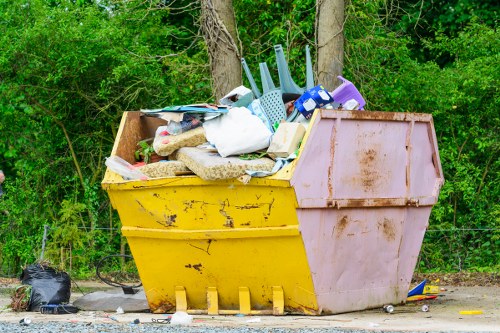 An insured rubbish company operating in Commercial Waste Acton must place safety and insurance at the heart of every job. Our overview explains how robust public liability insurance, structured staff training, mandatory personal protective equipment (PPE) and a clear risk assessment process combine to protect clients, staff and the public. These elements are essential for any insured commercial waste service provider working across Acton, ensuring legal compliance and reducing potential claim exposure.
Public liability cover is the backbone of an insured waste removal company. It protects businesses and customers against claims arising from injury or property damage caused by waste collection, transportation or disposal activities. For a commercial waste contractor in Acton, adequate policy limits and certificates of insurance are non-negotiable and should reflect the size and scope of the operation.
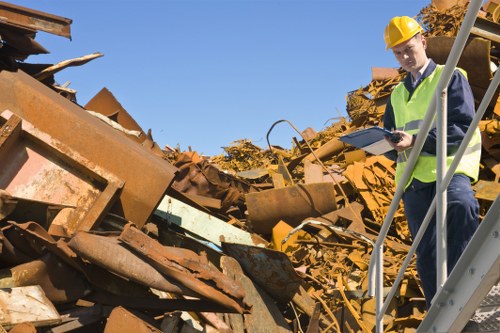 When selecting an insured rubbish contractor, verify the insurer, policy limits and the scope of cover. Look for coverage that includes:
- Public liability insurance with sufficient indemnity for third-party bodily injury and property damage;
- Employer’s liability to cover staff injuries sustained while handling commercial waste;
- Motor and vehicle cover specific to waste transportation and on-site operations;
- Contamination and pollution liabilities when applicable to hazardous waste.
Alongside insurance, staff training is the operational safeguard that reduces the likelihood of incidents. A professional insured commercial waste company in Acton will maintain a regular, documented training schedule that covers manual handling, safe use of machinery, and specific procedures for dealing with mixed or hazardous loads. Training must be refreshed and recorded to demonstrate compliance with health and safety standards.
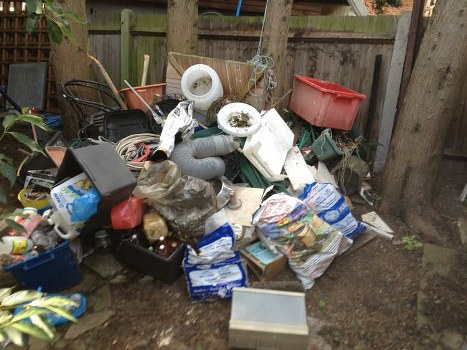 Practical training modules for an insured waste removal company typically include on-site induction, practical demonstrations, toolbox talks and periodic competency assessments. These sessions build a safety-first culture, help reduce claims against public liability policies, and improve service reliability for commercial clients.
Personal protective equipment is another visible sign of professionalism. An insured rubbish company will mandate appropriate PPE and enforce its correct use. Standard PPE for waste operatives often includes steel-toe boots, high-visibility clothing, gloves rated for waste handling, eye protection and respiratory masks where dust or fumes are present. Using appropriate PPE not only keeps staff safe but also contributes to lower insurance premiums through demonstrable risk mitigation.
Record-keeping ties insurance, training and PPE together. Documented training logs, PPE issue records, vehicle maintenance histories and incident reports create an audit trail that supports claims handling and regulatory inspections. For Commercial Waste Acton operations, these records show insurers and clients that the business is a responsible and insured contractor.
Risk assessment underpins every safe operation by identifying hazards and setting control measures. A thorough risk assessment process for a commercial waste provider in Acton will:
- Identify site-specific hazards such as access constraints, pedestrian interaction, and proximity to sensitive receptors;
- Evaluate the likelihood and potential severity of harm, informing appropriate control measures;
- Specify PPE, supervision levels, and traffic management plans where necessary;
- Include emergency procedures and escalation routes in the event of contamination or injury.
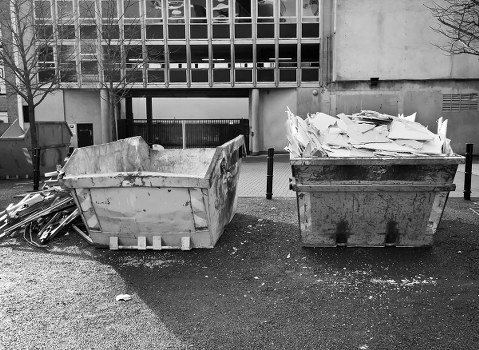 The risk assessment process should be a living document: reviewed before new jobs, after incidents, and whenever workplace conditions change. For insured commercial waste services, regularly updated risk assessments demonstrate proactive management to insurers and reduce the probability of claims under a public liability policy.
 Clear roles and responsibilities strengthen the safety framework. Supervisors must ensure operatives follow written safe systems of work, complete pre-start checks and carry out vehicle inspections. An insured waste removal company typically assigns a competent person to review insurance compliance, manage training records and liaise with underwriters if an incident triggers a claim.
Beyond internal measures, an insured rubbish company in Acton should align with statutory standards and industry best practices. Regular audits, third-party inspections and policy reviews help maintain the right level of public liability insurance and operational controls. These audits also identify opportunities to enhance training content and PPE specification.
Practical examples of how these systems work together include pre-job site surveys that inform the risk assessment, issuing job-specific PPE, and confirming that the company’s public liability limits match the client’s contractual requirements. When all parts work in concert, commercial waste collection becomes predictably safe and appropriately insured.
In summary, an insured commercial waste company in Acton should be defined by comprehensive public liability cover, ongoing staff training, enforced PPE standards and a robust, reviewed risk assessment process. Together, these components protect people, property and reputations while keeping commercial waste services compliant and reliable.
