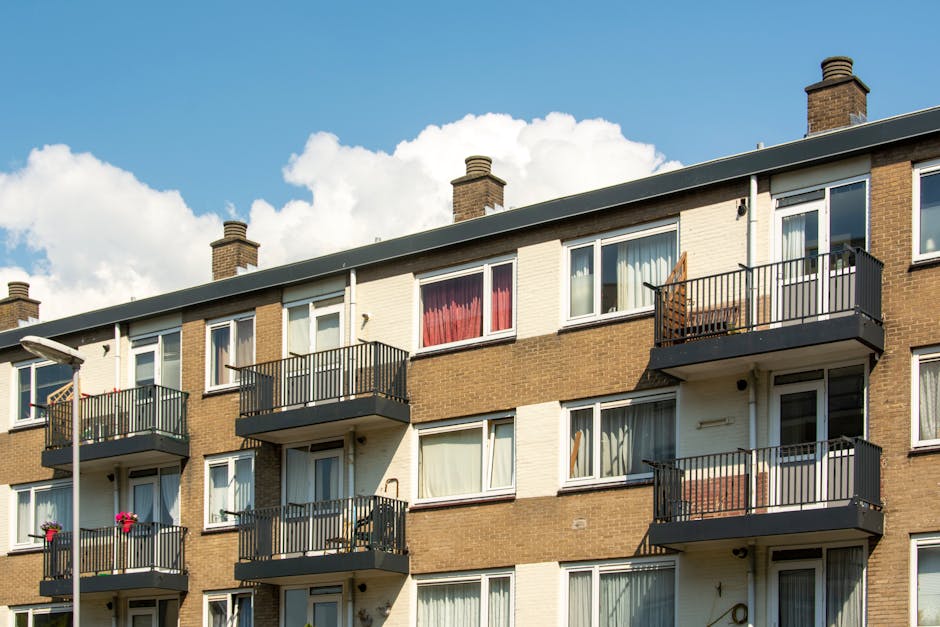
South Acton estate bulky rubbish clearance tips for flats
If you live in a South Acton estate flat, bulky rubbish can become a headache faster than you expect. One minute it's an old sofa in the corner, the next it's a fridge in the hallway, a mattress blocking the spare room, and a lift that seems determined to stay busy. The good news is that South Acton estate bulky rubbish clearance tips for flats are mostly about planning well, protecting shared spaces, and choosing the right clearance method for your building.
This guide walks through the practical side of flat clearance in a real London estate setting: access, timing, neighbours, recycling, safety, and when it makes sense to use a professional service such as flat clearance or, for larger mixed items, waste removal. No fluff. Just the stuff that actually helps when you're standing by the bin room wondering where on earth to start.
Quick takeaway: the best bulky waste clearance in flats is tidy, well-timed, and communication-heavy. Measure the item, confirm access, separate reuse from disposal, and never leave a large item sitting in a communal corridor "just for now". That "for now" has a habit of lasting all week.
Table of Contents
- Why South Acton estate bulky rubbish clearance tips for flats Matters
- How South Acton estate bulky rubbish clearance tips for flats Works
- Key Benefits and Practical Advantages
- Who This Is For and When It Makes Sense
- Step-by-Step Guidance
- Expert Tips for Better Results
- Common Mistakes to Avoid
- Tools, Resources and Recommendations
- Law, Compliance, Standards, or Best Practice
- Options, Methods, or Comparison Table
- Case Study or Real-World Example
- Practical Checklist
- Conclusion
- Frequently Asked Questions
Why South Acton estate bulky rubbish clearance tips for flats Matters
Bulky waste in a flat is not the same as bulky waste in a house. In a block of flats, one awkward item can affect everyone around you: corridor access, fire escape routes, bin stores, lift use, and even neighbour relations. That's why clearance in South Acton estate settings needs a bit more thought than a simple lift-and-load job.
There's also the practical reality of estate living. Flats often have tighter stairwells, narrow door frames, shared entrances, and parking that is never quite where you want it. If you have ever tried to turn a wardrobe corner-first through a stairwell, you'll know exactly what I mean. It gets funny for about three seconds. Then it stops being funny.
Good clearance habits also reduce the risk of damage. Scraped walls, dented lifts, broken tiles, and blocked walkways can turn a straightforward job into an expensive nuisance. A sensible approach protects your flat, the building, and the people using it.
Just as importantly, a tidy process makes it easier to reuse, donate, or recycle what can be kept in circulation. That matters whether you are clearing one item or doing a full reset of the flat. If the rest of your belongings are being sorted too, you may also find it useful to look at home clearance or furniture disposal depending on the mix of items involved.
How South Acton estate bulky rubbish clearance tips for flats Works
In simple terms, flat bulky rubbish clearance is the process of removing large or awkward items from a shared residential building with as little disruption as possible. The exact method depends on the item, the access, and whether you're using council collection, self-transport, or a professional team.
For flats, the job usually starts before anyone moves a single chair. First comes sorting. Then access planning. Then protective prep. After that, the actual removal can happen quickly. The smoothest jobs tend to be the ones where the resident has already answered a few basic questions: What is going? How heavy is it? Can it fit through the hallway? Do we need two people? Is it safe to carry down stairs? Simple, but easy to miss in the rush.
If you are dealing with white goods, remember that appliances need a little more care than standard furniture. Items such as fridges and freezers can be awkward, and some need specialist handling. In those cases, a dedicated fridge and appliance removal option is often more practical than trying to force a general approach.
A typical flat clearance process looks like this:
- Identify exactly what needs to go and what can stay.
- Check the route from the flat to the exit.
- Confirm building rules for lifts, parking, loading, and timings.
- Remove small loose parts, shelves, or drawers where sensible.
- Protect floors and corners before moving anything heavy.
- Carry items safely, keeping paths clear.
- Separate reusable, recyclable, and non-recyclable material.
- Dispose of the waste through the right channel.
That may sound straightforward, and honestly, it often is when planned properly. The complications usually come from one overlooked detail, not from the item itself.
Key Benefits and Practical Advantages
There's a reason people search for bulky rubbish clearance tips rather than just hauling things out and hoping for the best. A well-run clearance saves time, reduces stress, and avoids the little disasters that make estate living annoying for everyone.
- Faster clear-outs: A clear plan means less back-and-forth and fewer delays at the lift or entrance.
- Less risk of damage: Walls, doors, and communal floors stay protected when moving routes are thought through.
- Better neighbour relations: Nobody enjoys stepping over an old mattress on their way to work.
- Cleaner recycling outcomes: Items are easier to sort when you handle them in an organised way.
- Safer lifting: Proper preparation reduces the chance of back strain or dropped items.
- More usable space: Clearing bulky waste can make a flat feel bigger almost immediately.
There's also a mental benefit people sometimes underestimate. Seeing a pile of unused furniture or broken items go can feel oddly relieving. A cluttered flat can make everything feel heavier, even the day itself. Once the bulky stuff is gone, the room often looks and sounds different too. Less echo, less visual noise. You feel it.
For people dealing with larger mixed loads, a broader house clearance style approach may help even in a flat, especially if the job includes more than a few furniture pieces and general waste.
Who This Is For and When It Makes Sense
This kind of advice is useful for a wide range of residents and property managers in South Acton. To be fair, bulky rubbish doesn't care whether the flat is rented, owned, lived in alone, or shared by a family of five. It just ends up taking space.
You may need these tips if you are:
- moving out of a flat and need to clear old furniture quickly
- replacing a sofa, bed, wardrobe, or dining set
- dealing with broken appliances that are too large for standard bins
- helping a relative downsize or clear a flat after a life change
- managing a rental property between tenancies
- preparing a property for refurbishment
- sorting years of accumulated items in a storage-heavy one-bedroom or studio
It also makes sense when the item is technically movable, but not in practice. A heavy wardrobe might be "possible" to carry, but if the stairwell is narrow and the lift is out of service, the job is no longer simple. That's when a methodical clearance plan becomes worth its weight in, well, old furniture.
Residents often compare professional removal with doing it themselves. If the waste is mainly furniture and you want everything handled in one go, furniture clearance can be a good fit. If it's a full flat reset, the broader flat clearance service may be more appropriate.
Step-by-Step Guidance
Here is a practical process you can follow without overcomplicating things.
1. Make a short list of every bulky item
Walk through the flat and write down each item that needs removing. Include the awkward small things too: broken chair legs, detached shelves, mattress toppers, and dismantled furniture pieces. The little bits matter because they become trip hazards if left behind.
2. Decide what is reusable, recyclable, or waste
A good rule of thumb is to separate items into three piles: keep, reuse/donate, and dispose. If an item is still safe and usable, it may be better kept out of the waste stream. If it is furniture, think carefully before lumping it in with general rubbish. A service such as furniture clearance can help with the practical side, but your sorting decision still matters first.
3. Measure the item and the route out
Measure the width of doors, hallways, and the lift. Then compare those figures with the item. This saves a lot of guesswork. Many clearance problems are not about weight alone; they are about angles. The item may turn out to be fine, but it's nicer to know that before you start sweating in the corridor.
4. Check estate rules and access arrangements
Some estates have loading restrictions, lift booking rules, or quiet hours. If the building has a concierge or management office, it is worth checking what they expect. A few minutes of coordination can prevent a lot of awkwardness later.
5. Clear a safe path
Move rugs, loose cables, shoes, bins, and anything else that could cause a trip. Open doors fully if possible. If the item will scrape a wall on the way out, think about padding the corners or using blankets. A little care goes a long way.
6. Dismantle where sensible
Take apart beds, wardrobes, and other large furniture only if it will genuinely make the removal safer. Remove drawers and loose shelves. Keep screws and fittings in a labelled bag if the item might be reused or reassembled. If not, make sure the parts are secured together so they do not scatter halfway down the stairs.
7. Lift properly and work as a pair when needed
Use two people for larger items. Lift with your legs, not your back. Keep communication simple: "ready", "step", "down". It sounds basic because it is basic, and basic is usually best.
8. Dispose of items through the proper route
Once removed, the waste should be handled responsibly. Depending on the item type, this may involve recycling, specialist handling, or general disposal. If you're not sure where something belongs, don't guess. Hazardous or electrical waste in particular should be separated correctly. For uncertain or risky material, review hazardous waste disposal guidance before putting anything aside for collection.
Expert Tips for Better Results
After a lot of estate and flat removals, a few patterns become obvious. The smooth jobs tend to share the same habits.
- Start with the biggest item first. If the sofa or wardrobe is the hardest part of the job, handle it while everyone still has energy.
- Use a staging area near the door. It keeps the flat calmer and reduces repeated trips.
- Keep one "discard" pile only. Mixing rubbish piles with items you might keep is a recipe for confusion.
- Do not overfill bags with sharp offcuts. Tape or box loose ends so no one gets a surprise cut.
- Protect communal spaces like they are your own. In a flat, that means more than just your own hallway.
- Book at a sensible time. Mid-morning or early afternoon often works better than the busiest parts of the day.
One small but useful habit: take photos of the item before dismantling or moving it. It helps if you need to explain the load to a clearance team, and it helps you remember what belongs where when the job gets messy. Tiny detail, big difference.
If your clearance includes a sofa, beanbag, or mattress, the specialised pages for mattress and sofa disposal can be a helpful reference point for planning the right approach.
Common Mistakes to Avoid
The biggest mistakes are usually the simplest ones. Not dramatic, just annoying.
- Leaving bulky waste in the corridor. Even for an hour, that can block access and create complaints.
- Guessing the weight or size. A "not too bad" wardrobe can become a two-person job quickly.
- Forgetting lift protection. Scratches in a communal lift are not a good look.
- Mixing hazardous items with general waste. This is where people get into trouble.
- Ignoring sharp edges. Broken furniture can be nastier than it appears.
- Assuming the bin area can take anything. It usually cannot, and should not.
- Trying to do everything at once. That's how you end up standing in the hallway at 8pm, tired and slightly grumpy, wondering why you started.
A quieter mistake is failing to think about what happens after the item leaves your flat. Responsible disposal is not just a nice extra. It is part of the job. If you are comparing options, it's worth looking at recycling and sustainability to keep the process as responsible as possible.
Tools, Resources and Recommendations
You do not need a truckload of kit, but a few simple tools make life easier.
- work gloves with a decent grip
- sturdy tape for securing loose drawers or doors
- moving blankets or thick covers for corners
- appliance straps or strong carrying straps for large items
- a tape measure for doors, corridors, and item dimensions
- marker pens and bags for separating fittings and fixings
- a torch for dim communal areas or storage spaces
For services and support, it can help to review the company's wider information before booking. The pages on pricing and quotes, payment and security, and insurance and safety are useful for understanding how a professional clearance is normally handled. If you want to know more about the people behind the service, about us is a sensible place to start.
If you are booking online, make sure you know what is included, what counts as bulky waste, and whether any item type needs to be declared in advance. That one bit of admin can save a lot of back-and-forth later.
Law, Compliance, Standards, or Best Practice
For bulky rubbish clearance in flats, the legal and compliance side is mostly about behaving responsibly and using the right disposal route. You do not need to become a waste specialist overnight, but a few principles matter.
First, do not leave waste where it could obstruct shared areas, fire escapes, or access routes. In estate living, communal spaces are part of everyone's safety, not just your own convenience. Second, treat electrical items, fridges, and any suspected hazardous material separately. A damaged appliance or unknown container should never be shoved into general waste because it is easier. Easy is not the same as correct.
Third, use a service that explains how it handles waste responsibly and transparently. A provider that has clear information on health and safety policy, terms and conditions, and recycling expectations is usually giving you a better indication of professional standards than one that hides everything behind vague promises.
Best practice also means checking building rules. Some blocks ask residents not to move large items during peak hours or without prior notice. Others require lift bookings or loading bay arrangements. These are not just bureaucracy for the sake of it. They reduce disruption and help prevent damage.
Finally, if confidential papers or files are mixed into a clear-out, they should be separated and handled properly. The page on confidential shredding can be relevant when flats contain paperwork, old tenancy files, or personal documents that should not simply go out with the rest.
Options, Methods, or Comparison Table
There is no one perfect method for every flat. The best choice depends on time, item type, and how much lifting you want to do yourself.
| Option | Best for | Pros | Watch-outs |
|---|---|---|---|
| Self-clearance | Small items, one manageable piece, or very short distances | Can be cheap and flexible | Heavy lifting, access issues, and disposal responsibilities fall on you |
| Council-style bulky collection | Single items or limited loads, if available to your property | May suit simple jobs | Timing may be limited; not always ideal for urgent or awkward removals |
| Professional flat clearance | Multiple items, stairs, lifts, or mixed bulky waste | Fast, convenient, and safer for awkward loads | Costs more than doing it yourself, though often worth it |
| Specialist item removal | Appliances, mattresses, sofas, or heavy individual items | Handled with the right method for the item type | May need advance notice if the item is unusual or difficult to move |
In practical terms, many people in flats choose a mixed approach: sell or donate what they can, use specialist removal for awkward items, and then book a broader service for the rest. That tends to be the least stressful route.
For example, if your flat has a sofa, a broken fridge, and a few other pieces, a combined clearance approach may make more sense than dealing with each item separately. If the load is heavier than expected, a team experienced in builders waste clearance may also be useful where renovation debris has been mixed in with household bulky waste.
Case Study or Real-World Example
Here's a realistic scenario. A resident in a South Acton estate flat is moving out at the end of a tenancy. The flat contains a double mattress, a dismantled wardrobe, two office chairs, a broken coffee table, and an old fridge tucked into the kitchen corner. Nothing is massive on its own, but together it becomes a proper awkward load.
The resident starts by sorting the items into three groups: keep, donate, and dispose. The wardrobe is dismantled further so the panels can fit through the hallway. The fridge is left untouched, because it needs careful handling. The route from the flat to the lift is cleared, the door stops are checked, and the lift is booked for a short window in the morning when the building is quiet.
By the time the clearance team arrives, the job is already half-done. The items are easier to move, the building stays tidy, and the resident does not have to rush around trying to make decisions while the hallway fills up. That's the quiet secret of a good clearance: the work looks simple at the end because the preparation was done properly at the start.
And yes, the difference is noticeable. A flat that felt cramped and stressful in the morning can feel strangely roomy by lunchtime. A bit of daylight on an empty floor does wonders.
Practical Checklist
Use this checklist before you start any bulky waste removal in a flat:
- List every item that needs to be removed
- Separate reusable items from waste
- Measure the item and the exit route
- Check lift, stair, and access restrictions
- Confirm any estate or building rules
- Protect floors, walls, and corners
- Remove loose shelves, drawers, and fittings
- Keep walkways clear during the move
- Set aside hazardous or electrical items separately
- Arrange disposal or collection in advance
- Have gloves, tape, and basic moving materials ready
- Do a final sweep of the flat and communal path afterwards
If you can tick off those steps, you are already ahead of most rushed clear-outs.
Get a free quote today and see how much you can save.
Conclusion
South Acton estate bulky rubbish clearance tips for flats are really about keeping things calm, safe, and organised. Measure first, sort properly, protect shared spaces, and choose the right disposal route for the items you have. That's the formula. Nothing flashy, just reliable.
For many flat residents, the hardest part is not the lifting. It's the decision fatigue that comes with a pile of items and too little time. Once you break the job into simple steps, it stops feeling overwhelming. A sofa, a mattress, a fridge, a few broken bits of furniture - it becomes a list, not a problem. And that feels better.
When you are ready to clear space the sensible way, a professional service can take the weight off your shoulders, quite literally. The end result is usually the same: less clutter, less stress, and a flat that feels easier to live in. Small win, big relief.
Frequently Asked Questions
What is the best way to clear bulky rubbish from a South Acton estate flat?
The best approach is to sort the items first, measure access routes, check building rules, and then remove the waste in a safe, planned way. For larger or awkward loads, a professional flat clearance service is usually the easiest option.
Can I leave bulky rubbish in the corridor before collection?
No, not if you can avoid it. Corridors and shared spaces should stay clear for safety and access reasons. It is much better to keep items inside your flat or move them out only when collection is ready to happen.
Do I need to dismantle furniture before removal?
Only if dismantling will make it safer or easier to move. Beds, wardrobes, and similar items often come apart well, but you should not dismantle anything if it creates more risk or makes the load unstable.
What bulky items are hardest to remove from flats?
Sofas, wardrobes, mattresses, fridges, freezers, and large desks are usually the most awkward. The issue is often not just weight, but size, shape, and how tightly the item fits through the hallway or lift.
How do I know if an item counts as hazardous waste?
If it contains chemicals, oils, unknown liquids, or damaged components that may leak or pose a risk, treat it cautiously and keep it separate. If you are unsure, do not mix it with general rubbish.
Is it cheaper to remove bulky rubbish myself?
Sometimes, yes, especially for a single manageable item. But once you factor in lifting, transport, fuel, parking, and disposal, professional removal can be better value for mixed or heavy loads. It depends on the job.
What should I do with old appliances in a flat?
Old appliances should be handled carefully and separately from standard furniture. Fridges and similar items may need specialist removal, especially if they are large, heavy, or difficult to move safely.
How can I avoid damaging the communal areas?
Use floor protection, move slowly, remove loose parts, and have enough people for the lift. If the route is tight, padding door frames or corners can prevent scuffs and chips.
What if I only have one large item to remove?
Even one item can be worth planning properly if access is awkward. A single mattress or sofa can be trickier than a whole stack of small rubbish, especially in a flat with narrow stairs or limited parking.
Can bulky rubbish be recycled?
Often, yes, at least in part. Furniture, metal, wood, and some appliances may be suitable for recycling or component recovery depending on their condition and material mix. Sorting beforehand helps a lot.
How long does a flat bulky rubbish clearance usually take?
It depends on the number of items and the access situation. A single item may take very little time, while a full flat clearance can take longer. The planning stage often has a bigger impact than people expect.
What is the safest way to move heavy items in a block of flats?
Use two people for bulky pieces, keep a clear route, lift with your legs, and avoid twisting your back while carrying. If the item feels unstable or too heavy, stop and reassess. No prize for heroic lifting.
Do I need to sort documents separately during a clear-out?
Yes, if papers contain personal or sensitive information. Keep them apart from general waste and consider secure shredding for anything that should not be discarded openly.
When should I book professional help instead of doing it myself?
If the items are heavy, the access is tight, the lift is small, or you simply do not want the hassle, professional help is the sensible choice. It is especially useful when time is short or the load includes mixed waste.