About Us Commercial Waste Acton
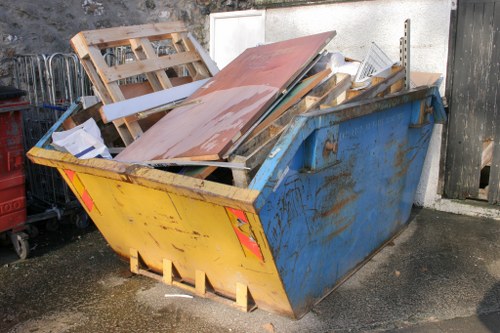 Commercial Waste Acton is about more than collecting bins and moving rubbish from one place to another. It is a practical service built around reliability, consistency, environmental responsibility, and the everyday needs of local businesses. From independent shops and busy offices to hospitality venues, construction teams, and multi-site operators, the right waste management approach helps keep workspaces safer, tidier, and more efficient. In a place like Acton, where business activity is varied and fast-moving, waste handling must be organised, flexible, and designed to support operations without disruption.
At the heart of our approach is a simple idea: commercial waste management should make business easier, not harder. That means creating systems that fit around schedules, waste volumes, legal obligations, and sustainability goals. Whether a business produces general refuse, recyclable materials, food waste, cardboard, packaging, or mixed commercial streams, a well-planned collection structure can improve cleanliness and reduce unnecessary costs. For many organisations, the difference between a chaotic disposal routine and a streamlined one is significant. It can affect staff productivity, customer perception, hygiene, and even compliance outcomes.
 Our work in Acton commercial waste is guided by an understanding of how local businesses operate. A retail unit on a busy street has different needs from a warehouse, while a restaurant faces different challenges from an office building or a shared workspace. That is why commercial waste solutions need to be adaptable. A one-size-fits-all approach rarely works. Instead, an effective service considers the type of business, the waste produced, the space available for storage, the timing of collections, and the wider goal of keeping operations smooth and responsible.
Our Approach to Commercial Waste in Acton
Every commercial site generates waste differently. Some produce large volumes of packaging every day, while others produce a steady mix of general waste and recyclables. Our approach to commercial waste Acton focuses on building an organised process that matches those patterns. Rather than treating waste as an afterthought, we see it as part of the business environment that needs attention, structure, and regular review.
This begins with understanding the material streams involved. For example, cardboard and paper are common in retail and distribution settings, while hospitality businesses often need greater attention to food-related waste. Offices may generate more paper, plastics, confidential disposal materials, and small mixed refuse. Construction and maintenance operations may create heavier waste loads, with timber, metal, inert materials, and packaging. By recognising these differences, a commercial waste solution can be far more effective and far less wasteful in itself.
Another important part of our approach is consistency. A business cannot function well if waste builds up unpredictably or collection routines change without notice. Clean, usable spaces depend on dependable scheduling and clear processes. This is particularly important where storage space is limited. In busy commercial areas, waste must be managed in a way that avoids blocked entrances, overflowing bins, hygiene issues, or unwanted visual clutter. A disciplined routine supports both health and presentation.
Why Commercial Waste Management Matters
 The importance of About Us Commercial Waste Acton goes beyond simply removing rubbish. Good waste management supports a business in several ways. It improves workplace tidiness, reduces the risk of pests and odours, helps staff work more comfortably, and creates a more professional environment for visitors and customers. In sectors where appearance and hygiene matter, this can influence customer trust and staff morale alike.
From a compliance perspective, commercial waste must be handled carefully. Businesses have a responsibility to manage waste appropriately, separate certain materials where necessary, and ensure that disposal practices follow legal and environmental expectations. Failing to do so can lead to avoidable problems. A structured waste approach reduces confusion and helps businesses stay aligned with best practices. It also supports accurate records, better sorting, and improved accountability across teams.
Environmental responsibility is another major reason why commercial waste services matter. Businesses in Acton, like businesses everywhere, are under growing pressure to reduce their environmental footprint. Waste is an area where practical improvements can make a real difference. Recycling more effectively, reducing contamination, and improving segregation all contribute to better outcomes. When a business takes waste seriously, it sends a clear message about values, professionalism, and long-term thinking.
Supporting Different Types of Businesses
One of the strengths of a modern commercial waste service in Acton is its ability to support a wide range of business types. Each industry has unique priorities, and waste solutions must reflect that reality. Retail businesses often need frequent removal of packaging, cardboard, and general refuse, especially during busy seasons when stock turnover rises. Restaurants, cafés, and catering premises require a strong focus on food waste, hygiene, and timely collections to prevent build-up.
Offices and professional service environments usually need discreet, efficient handling of paper, mixed waste, and recyclable materials. In these settings, maintaining a clean and organised workspace contributes directly to productivity. Meanwhile, industrial, trade, and construction sites may require a more robust approach because of heavier waste volumes and a broader range of materials. For all these sectors, the goal remains the same: keep waste controlled, minimise disruption, and support a safe working environment.
Shared business premises and multi-tenant buildings can present additional challenges. Different users may produce different waste streams, and storage space may be limited. In those cases, communication and planning become especially important. A well-structured commercial waste arrangement can help avoid confusion, reduce contamination, and ensure that everyone using the premises understands how waste should be managed. That kind of coordination is often what turns a basic collection service into a genuinely effective business support system.
Sustainability and Responsible Waste Practices
Modern businesses increasingly want solutions that are not only practical but also environmentally responsible. Commercial waste Acton services can play an important role in supporting that aim. By separating recyclable materials, reducing unnecessary landfill disposal, and encouraging better waste habits, businesses can lower the environmental impact of their day-to-day operations.
Recycling is a central part of this process. Materials such as cardboard, paper, certain plastics, metals, and some food-related waste can often be handled more effectively when separated at source. The cleaner the sorting process, the better the recycling outcome is likely to be. Contamination is one of the biggest barriers to recycling performance, so clear procedures and staff awareness are valuable. Even simple changes, such as using labelled containers or creating distinct collection points, can improve results significantly.
Responsible waste management also encourages businesses to think more carefully about the materials they consume. Over time, this can lead to reduced packaging, better purchasing decisions, and lower disposal volumes. In this sense, waste management is not only about collection; it is part of a broader sustainability strategy. Businesses that adopt these habits often discover additional benefits, including lower waste output, smoother operations, and improved internal organisation.
The Value of Organised Waste Systems
 An organised system is one of the most valuable elements in any About Us commercial waste Acton service. Without structure, waste handling can quickly become inefficient, messy, and costly. With a planned approach, however, it becomes much easier to maintain cleanliness, meet obligations, and manage resources well. The difference is often visible in everyday operations: fewer overflowing bins, less time spent dealing with waste-related issues, and a more professional appearance across the site.
Organised systems also make it easier to train staff. When procedures are clear, team members know where waste should go, what must be separated, and how to prevent errors. This is especially useful in workplaces with a high staff turnover or multiple shifts. Clear routines reduce mistakes and help everyone follow the same standard. In practical terms, this can save time, prevent contamination, and support safer conditions for workers and visitors.
Another advantage of a structured setup is flexibility. Businesses evolve, and waste volumes can change over time. A good commercial waste approach should be able to adapt to seasonal peaks, changes in product lines, refurbishments, events, or growth in customer traffic. The ability to adjust without losing control is a major benefit, particularly for businesses that operate in dynamic environments. It keeps waste handling aligned with the real needs of the business rather than forcing the business to adapt to a rigid system.
How Commercial Waste Supports Business Image
Cleanliness affects perception. Customers, suppliers, and staff all notice whether a business environment is well maintained. This is one reason why commercial waste management in Acton is so important. Waste that is left unmanaged can affect the first impression a business makes, even before anyone walks through the door. Overflowing containers, litter, and visible clutter can suggest disorganisation, while a tidy and well-managed site communicates professionalism and care.
This matters in many industries, especially those where clients or customers come into direct contact with the premises. Retail stores, hospitality venues, reception areas, and shared offices all benefit from effective waste control. A tidy environment supports brand image, but it also has practical value. Staff are generally more comfortable in clean surroundings, and visitors are more likely to feel confident in a business that pays attention to operational details.
Waste management also influences how efficiently a site functions behind the scenes. Materials stored correctly are easier to move, sort, and remove. Clear pathways improve safety. Well-managed bins reduce odours and reduce the likelihood of pest issues. In this way, commercial waste is closely linked to the wider quality of the workplace. It is not a side issue; it is part of the everyday infrastructure that keeps a business running well.
Meeting Compliance and Operational Expectations
Businesses must balance many priorities, and waste management is one of the areas where compliance and operations overlap. About Us Commercial Waste Acton reflects an understanding that legal responsibilities should fit into practical routines. A company does not just need waste taken away; it needs a process that supports safe handling, appropriate segregation, and responsible disposal.
This includes being aware of what different waste streams require, how they are stored, and how collections are handled. It also means reducing the risk of waste-related issues that can affect operations, such as blocked storage areas, poor hygiene, or unnecessary handling of heavy loads. Good systems reduce these pressures by providing a clear and reliable structure. That structure benefits everyone involved, from site staff to management.
Operational expectations are often just as important as compliance. Businesses want services that are dependable, sensible, and easy to integrate into their workday. When waste management is efficient, it becomes almost invisible in the best possible way. The business can focus on core activities while waste is handled smoothly in the background. That combination of reliability and simplicity is one of the reasons organised commercial waste services are so valuable.
Why Local Understanding Matters in Acton
The business landscape in Acton is varied, which means commercial waste needs can differ significantly from one site to another. A local understanding of this environment helps shape more relevant and practical waste solutions. Busy high-street locations, office clusters, hospitality venues, industrial units, and mixed-use sites all present different conditions. Access, timing, space constraints, and foot traffic can all influence how waste should be handled.
Local awareness also helps with planning around changing conditions. Delivery schedules, customer peaks, loading restrictions, and seasonal activity can all affect how waste accumulates and when it should be removed. A waste strategy that takes these realities into account is more likely to work well over the long term. It supports the daily rhythm of the business rather than interrupting it.
For businesses, this means commercial waste management should feel practical and responsive. The right system is one that supports growth, keeps the premises tidy, and helps the business remain adaptable. In a place as active and diverse as Acton, that kind of flexibility is especially valuable. It allows businesses to focus on service, operations, and development while waste is managed in a controlled and efficient way.
Building a Better Waste Culture
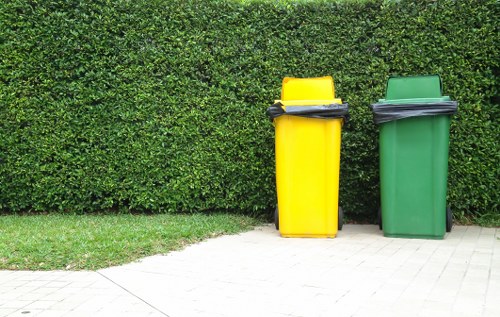 Good waste management is not only about containers and collections; it is also about culture. When a business builds a strong waste culture, staff become more aware of sorting, cleanliness, and responsibility. Small habits start to add up. Items are placed in the correct streams, waste is not left in walkways, and recycling processes become second nature. Over time, these habits improve both efficiency and environmental performance.
Developing a better waste culture can begin with simple actions. Clear signage, easy-to-understand separation points, and regular reminders all help reinforce the right behaviours. Managers and team leaders can also play a part by setting consistent expectations. When waste handling is treated as an everyday standard rather than an occasional task, the workplace becomes more organised and more resilient.
For businesses that want to strengthen their sustainability profile, waste culture is an excellent starting point. It supports practical improvements without requiring dramatic changes all at once. Instead, it builds momentum through steady, measurable habits. That makes it a realistic and valuable part of long-term business planning.
About Our Commercial Waste Focus in Acton
Our focus on About Us Commercial Waste Acton comes from recognising that businesses need waste solutions that are dependable, sensible, and aligned with their day-to-day reality. Commercial waste is not simply a back-end function; it affects cleanliness, compliance, customer experience, and environmental responsibility. When handled well, it supports the wider health of the business in ways that are both visible and practical.
Commercial waste Acton services should be built around clarity, adaptability, and long-term value. That means helping businesses manage waste streams properly, improve recycling habits, reduce disruption, and maintain a professional environment. It also means understanding that each business is different and that effective waste management must reflect those differences.
In the end, the best commercial waste solutions are the ones that quietly make business life easier. They reduce stress, support safe and tidy premises, and help organisations operate with confidence. For businesses in Acton, that kind of service is not just useful; it is an important part of running well in a busy and competitive environment.
