Commercial Waste Acton: Recycling and Sustainability for an Eco-Friendly Waste Disposal Area
 Commercial Waste Acton is evolving into an eco-friendly waste disposal area where businesses, property managers and local partners share responsibility for a cleaner, greener Acton. This page outlines our sustainable approach to commercial rubbish in Acton, presenting clear targets, operational practices and collaborative programmes that support reuse, repair and responsible disposal. The emphasis is on measurable improvement: less landfill, more circular economy activity and reduced transport emissions across the borough.
As part of the broader commitment to an sustainable rubbish area, we describe how the borough's separation systems work. The borough encourages separate streams for paper and card, mixed glass and cans, food waste and residual refuse, and many commercial properties adopt additional segregation for textiles and electricals. Acton commercial waste initiatives build on those municipal streams to enable easier sorting, maximising recycling and diverting valuable materials toward reuse.
![A collection of electronic waste including disassembled computer towers, keyboards, and cables is piled on the ground in front of a textured stone wall, indicating a rubbish removal activity. To the right, a large black recycling bin with a green recycling symbol is positioned, containing a few visible items such as a black plastic tray and some packaging materials. Leaning against the bin is a traditional straw broom with a wooden handle, emphasizing manual cleaning or clearing efforts. The scene is set outdoors on a light grey paved surface, consistent with a commercial or residential waste collection area in Acton, London, or nearby. The image visually underscores the importance of proper electronic waste disposal and recycling, which [COMPANY_NAME] handles as part of their rubbish removal services, supporting sustainability and waste management initiatives in the local area. The lighting appears natural and even, with no prominent shadows, providing clear visibility of the objects and their textures.](/pub/_photos/rubbish/f1345142784.jpg) Our roadmap includes a clear recycling percentage target: we are aiming for a 65% recycling and reuse rate for all commercial waste in Acton by 2030. That target aligns with regional ambitions for waste reduction and is backed by operational steps such as improved on-site separation, better signage for staff, and regular waste audits that identify high-impact reduction opportunities.
Our roadmap includes a clear recycling percentage target: we are aiming for a 65% recycling and reuse rate for all commercial waste in Acton by 2030. That target aligns with regional ambitions for waste reduction and is backed by operational steps such as improved on-site separation, better signage for staff, and regular waste audits that identify high-impact reduction opportunities.
Local Transfer Stations and Low-Carbon Logistics
To support the eco-friendly transfer of commercial rubbish in Acton, collections are consolidated at nearby local transfer stations where materials are sorted and prepared for recycling or energy recovery. Transfer facilities in and around West London, including Park Royal Transfer Station and nearby processing sites in Brentford and Southall, form key nodes in the logistics chain. These hubs reduce unnecessary journey time by consolidating loads, which is essential to lowering the carbon footprint of the waste stream.
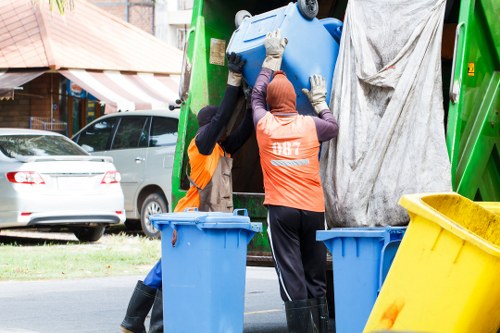 Fleet choices are a central part of the sustainability plan. Low-carbon vans, including battery-electric light goods vehicles and Euro VI hybrid options, are being introduced for commercial collections across Acton. These vehicles reduce emissions, lower noise in residential streets and demonstrate that low-carbon commercial waste transport is practical even in dense urban areas.
Route optimisation and load consolidation further reduce vehicle miles. By coordinating collections across clusters of businesses and combining different commercial waste streams where appropriate, the overall carbon intensity per tonne of waste handled falls, helping the entire area meet its environmental targets for a sustainable rubbish area.
Partnerships with Charities, Reuse and Local Enterprises
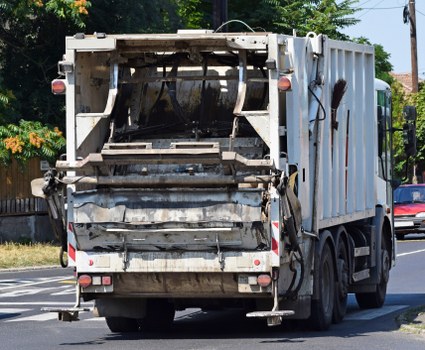 Reuse is central to our approach to commercial waste in Acton. Partnerships with charities and social enterprises enable diversion of usable items from commercial clearances and office refurbishments: furniture, working appliances, textiles and building materials are reconditioned or resold through local charity shops and community reuse centres. Organisations such as Emmaus, Salvation Army and local Social Enterprise reuse schemes are typical partners in creating pathways for recovery and social value.
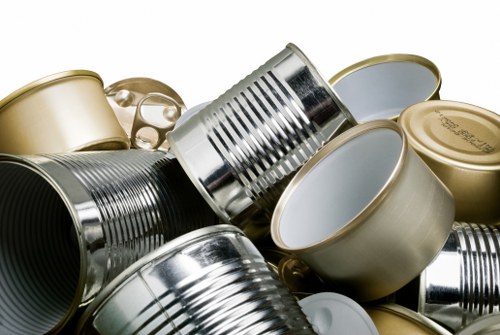 We work with local charities to establish formal donation routes from businesses, ensuring that donations are logged, quality-checked and transported efficiently. This reduces disposal costs for companies, creates local jobs and reduces environmental impact by giving goods a second life. For materials that cannot be donated, established sorting protocols at transfer stations ensure recyclable fractions are reclaimed.
To make these systems accessible, commercial properties are encouraged to adopt simple in-office segregation practices. Clear, labelled containers for paper/card, glass/metal/plastics, food waste and residual waste make compliance easier for staff and contractors. Training sessions, short operational guides and periodic reviews help maintain high participation rates and reduce contamination, which is critical to reaching recycling targets.
Operational highlights for an eco-friendly waste disposal area include:
- 65% recycling target by 2030 for commercial waste in Acton, focusing on both recycling and reuse.
- Strategic use of local transfer stations to improve material recovery rates.
- Partnerships with charities and reuse centres to divert usable goods from disposal.
- Deployment of low-carbon vans and electric vehicles for collections, reducing fleet emissions.
- Improved on-site segregation aligned with the borough's waste separation approach.
In practice, an Acton business participating in this programme might separate food waste for anaerobic digestion, recycle mixed paper and glass, and place bulky office furniture on a donation route. Where hazardous or electrical waste is generated, licensed contractors manage these streams to ensure safe, compliant processing and maximum materials recovery.
Monitoring and reporting are built into the commercial waste service to track progress toward the recycling percentage target. Regular collection data from low-emission vans and transfer station receipts allow measurement of tonnes diverted to recycling, reused through charity channels, or sent for energy recovery. This transparency supports continuous improvement and helps identify specific hotspots where additional separation or education is needed.
Commercial rubbish Acton is transitioning from a traditional disposal model to a circular approach where value is retained in materials and transport impacts are minimised. The combined actions of businesses, collectors, transfer stations and charity partners create a resilient, low-carbon system that benefits the wider community.
By committing to clear targets, adopting cleaner vehicles, working with local transfer stations and strengthening charity partnerships, this strategy turns Acton into a model sustainable rubbish area. The focus remains practical: make it easy for businesses to separate waste, ensure materials return to productive use, and reduce the carbon footprint of commercial waste management across the area.
Going forward, ongoing collaboration, incremental fleet decarbonisation and investment in sorting infrastructure will help meet the 65% target and create a scalable template for other parts of the city. Acton’s approach to commercial waste demonstrates that targeted policies, local partnerships and low-carbon logistics can transform business waste streams into resources for the circular economy.
